Who it's for
One signal behind
the whole chain.
TelaiSys™ reaches your team in the order it deploys. Each step has an owner, the person whose question has to be answered before the next one begins. Here is who it’s for, in the order they meet it.
 Daniel RothSecurity review · risk & compliance
“What can this touch?”
TelaiSys™Phase 1 is read-only by architecture. TelaiSys™ reads the systems you already run and writes nothing back until you decide otherwise.
- Read-only connectors into SCADA historians, OSS/NMS, power, environmental, and fiber systems
- Zero-trust architecture, role-based access, full audit logs
- Built to SOC 2 Type II and ISO 27001 controls
 Read-only, by architectureSecurity reviewer
 Mara EllisonReliability · modelling & evidence
“Can I trust what it builds?”
TelaiSys™Every forecast carries the evidence it was built from, so you can inspect the chain rather than take the number on trust.
- Every signal maps to one telemetry model, with per-site provenance and a quality score
- Each site becomes a live model: behavior baseline, failure probability, dependency graph
- Each forecast carries its inputs: battery SOH, thermal trend, power stability
 One telemetry modelReliability engineer
Once the connectors are reading, the model has to prove it understands what it sees. With the model proven, it starts working ahead of the network.
 Nadia HaddadControl room · triage & escalation
“Which of these thousand alarms is real?”
TelaiSys™During an event the queue is clustered, not listed. One live signal per site replaces a page of symptoms.
- Alarms cluster under their root cause, ranked by severity
- Forecasts land hours to days before the alarm would have fired
- The alarm that matters surfaces first, evidence attached
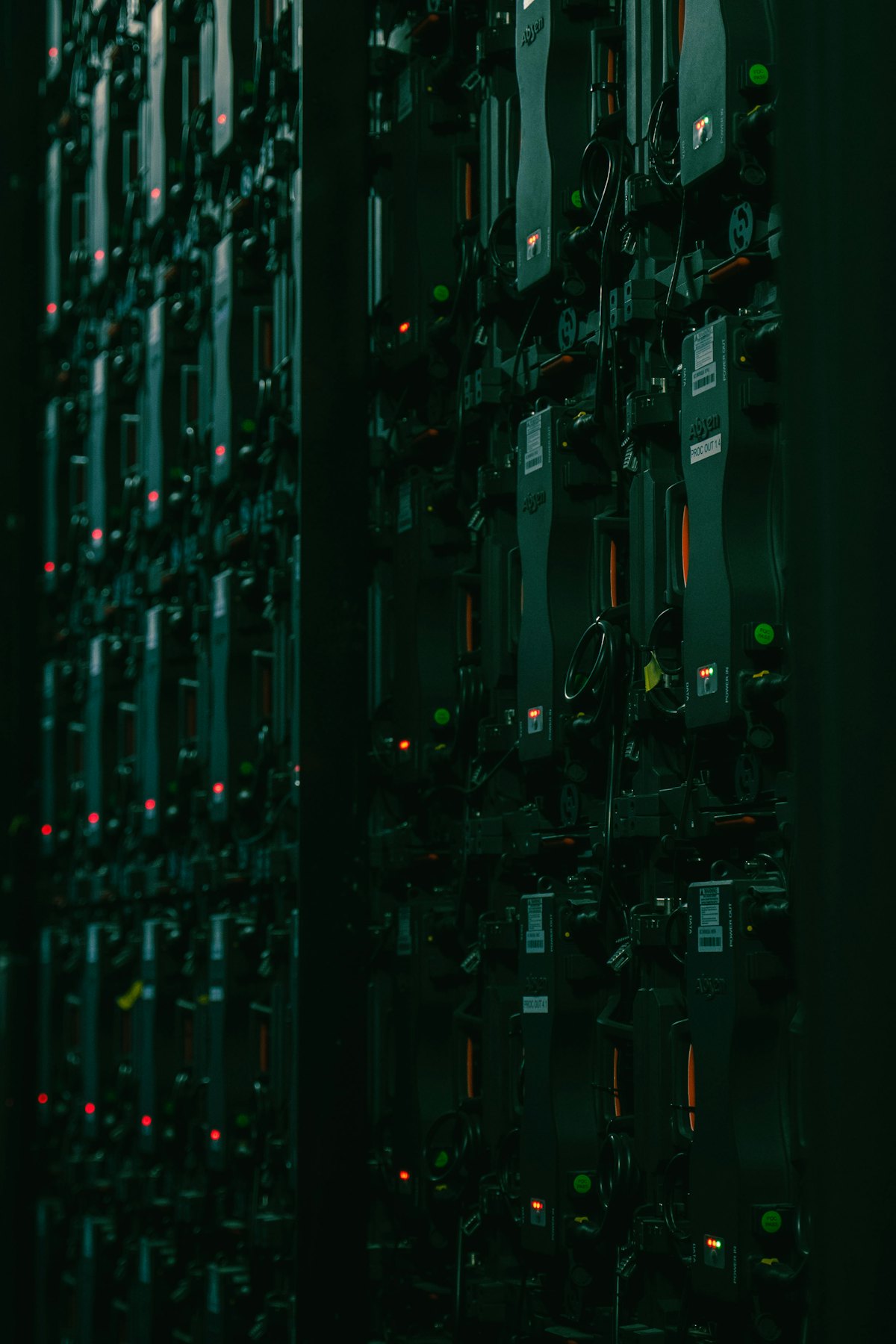 The queue, clusteredNOC shift lead
 Lena OkaforEnergy & facilities · power and thermal
“How much of that generator runtime was necessary?”
TelaiSys™Load shifts against measured risk rather than habit, and every recommendation is checked against the SLA and the thermal envelope.
- Generator hours and battery cycling cut against measured risk, not habit
- Load-shift recommendations checked against SLA and thermal envelopes
- 18% less edge energy drawn in the flagship deployment’s first year
 Load against measured riskEnergy & facilities
The same model watches the power the sites run on. And everything the model sees ends as something someone can act on.
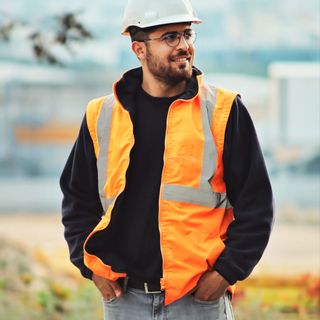 Rahul MenonField operations · dispatch & cost
“Why did that truck roll twice?”
TelaiSys™The diagnosis happens before the dispatch decision, so a truck rolls for hands-on work rather than for a look.
- Remote diagnosis before the dispatch decision
- Tickets carry cause, fix, parts, and skill required
- 32% fewer truck rolls in the flagship account’s first year
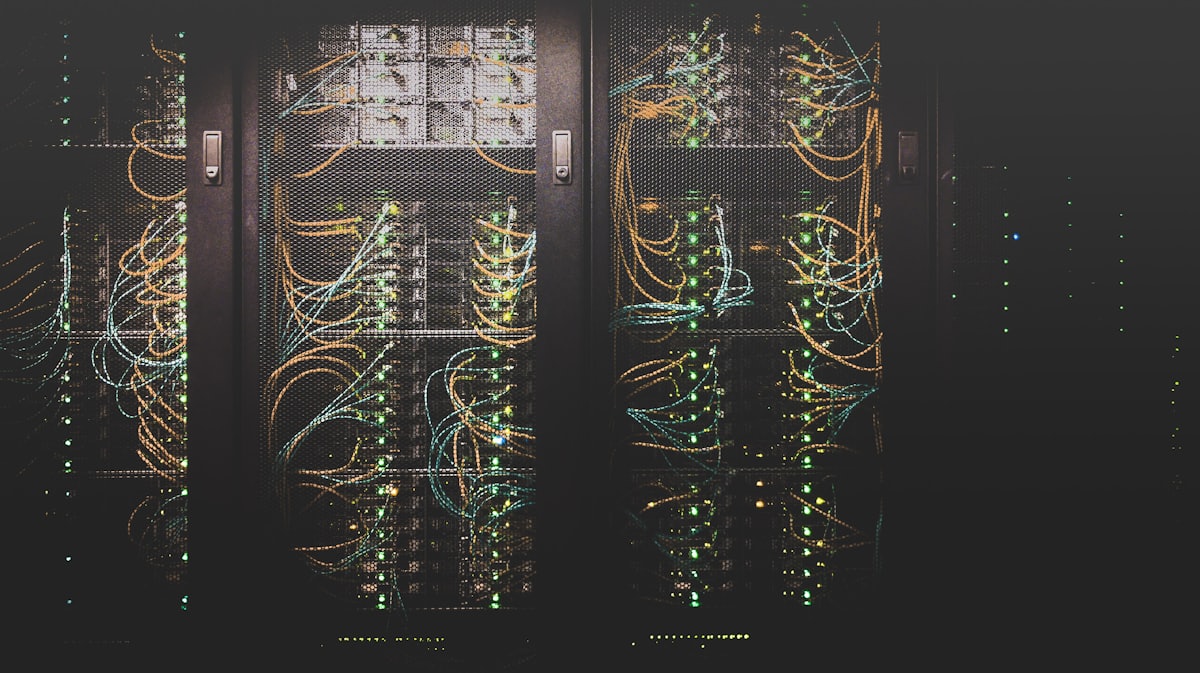 Diagnosis before dispatchField ops manager
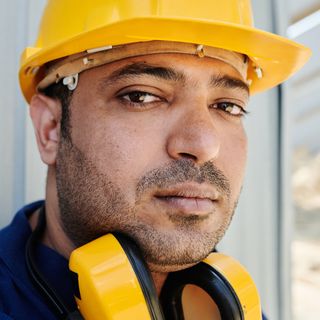 Omar SalahField service · on-site repair
“What am I walking into?”
TelaiSys™The ticket arrives already carrying what the job needs, so the first visit stands a chance of being the only one.
- The ticket arrives with site access codes, GPS coordinates, and the spare components the job needs
- The diagnosis and the recommended fix ride along, no second call
- The copilot answers why, and what next, in plain language
 The ticket, already loadedField technician
The ticket itself travels with the person on the road. And when a year of this has run, one more person gets an answer.
 Grace AdeyemiNetwork operations · SLA & budget
“What moved: the SLA or the budget?”
TelaiSys™A year of this shows up in the two lines you answer for: the SLA and the budget.
- 47% fewer P1/P2 outages at a 42,000-site Tier-1 MNO
- Mean time to detect from 12 minutes to 42 seconds
- Priced by network scale, not seats; read-only pilot within a quarter
 A year, measuredVP, network operations
These are representative of the roles TelaiSys™ is built for, not named customers.